Meeting: May 18th, 2021
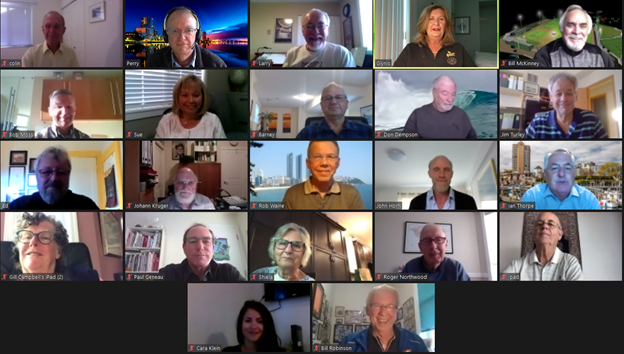
At the meeting tonight
Famous Rotarians:
Gugliemo Marconi from the Rotary Club of Bologna Italy and Bob Lasota from the Rotary Club Of Nanaimo North
Colin's Rotary Minute:
Colin spoke about honorary membership. This type of membership recognizes extraordinary service towards the ideals of Rotary. Some notable examples are: Margaret Thatcher, Winston Churchill, Edmund Hillary, Thomas Edison, Walt Disney, Bob Hope and many more.
Guests:
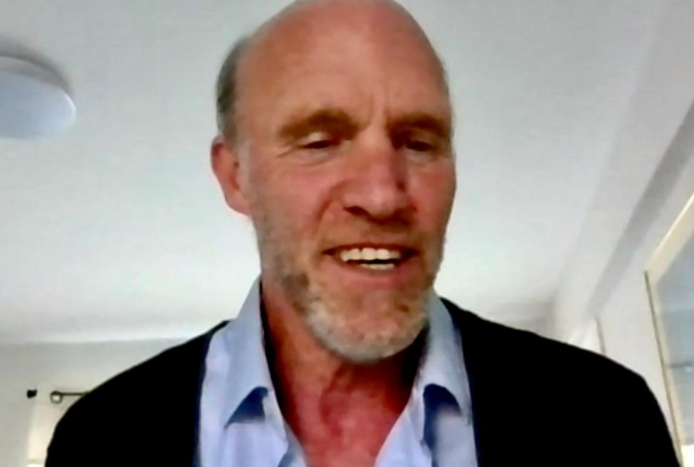
John Horn (our guest speaker)
Visiting Rotarians:
Ken Hammer Daybreak (And next AG)
Bonnie Murell Daybreak
Announcements:
- Sue had no correspondence to report
- Membership dues are due by the end of June
- A vote was taken regarding two donations. Both were approved
- $8000 to the Nanaimo Hospital ICU
- $5000 to rowing club (from golf ball drop)
- Bonnie and Ken spoke to us about their 25th anniversary fund raiser. The idea is that you join (go to their club website for more info) their group and get pledges for your goal. There are a number of charities signed up with Daybreak and you can then determine which charity your pledge money should go to.
Birthdays:
- Sheila Anderson on the 18th
- Bob Lasota 23rd
- Rod Smith 26th
Anniversaries:
- Doug and Joan Person 25th
- Rob and Barbara Waine 29th
Membership Anniversaries
Comedy Corner:
They say with age comes wisdom so therefore I don't have wrinkles, I have wise cracks.
Program:
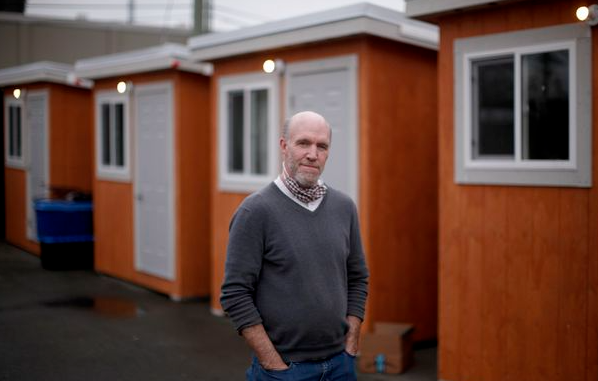
Our guest tonight was John Horn. John is about to start with a new job at the John Howard society but his talk tonight was about the work he has been doing with the homeless in Duncan.
John Horn
“I very much believe in direct action,” He’d become very tired of the status quo approach to homelessness, which was “telling a guy he has to live in the forest for three years until we can find a real apartment for him.” His idea was to create small camps for groups of up to 12 people. Originally housed in tents, they were moved to tiny homes as winter approached. Each home cost about $7000 and contain a bed and is supplied with electricity. Common bathroom facilities were provided and meals are also brought in. Other social services are provided as required.
The results seem to speak for themselves. Both the local residents and those in the tiny homes have found this to be a more practical solution then simply living on the streets.
On the practical side, John told us that there are ongoing costs involved, but he believes that the overall cost is much lower than having to deal with the issues of people living at large in the community.